Showing posts with label buddha paintings on wall. Show all posts

14 Jun 2023

Lord Rama Paintings: How They Convey Stories, Emotions, and Culture

 As you stroll down the streets of India, you'll probably come across magnificent paintings portraying modern art lord ram painting that glisten in the sunlight. These exquisite artworks have mesmerized people for generations due to their ability to narrate stories, convey sentiments, and represent culture. Every painting is an enchanting masterpiece with intricate details and vibrant colors that will leave you spellbound. Come along as we examine how these paintings encapsulate Hindu mythology and display a marvel of artistry that must not be overlooked!

lord rama painting


Introduction to Lord Rama Paintings

In the forests of India, Lord Rama spent most of his time during his exile from his kingdom. During this time, he met Hanuman, the monkey god, and fought Ravana, the demon king. It is one of the most popular Hindu epics and is often depicted on scrolls and walls.

Many lord rama paintings depict with blue skin, which symbolizes his divinity. He usually holds a bow and arrow as well as a sword. A halo around his head often symbolizes his divine nature. Sita and his brother Lakshmana often accompany him in these paintings. Most of these paintings depict scenes from the Ramayana, such as the battle against Ravana or Hanuman taking Sita across the ocean.


In addition to India and other countries with large Hindu populations, such as Indonesia and Nepal, Lord Rama's paintings are also famous among Hindus. These paintings are often given as gifts on special occasions, such as weddings and births. They are found in homes, temples, and businesses across these countries.
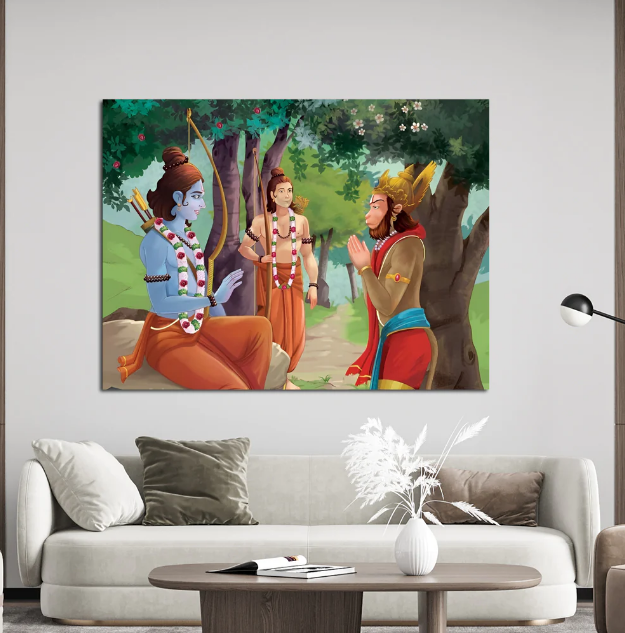


Understanding the Cultural Narratives Conveyed Through Rama Paintings

A basic understanding of Lord Rama is necessary to comprehend the cultural narratives conveyed through Lord Rama paintings. It tells the story of Prince Rama's journey to rescue his wife, Sita, from Ravana, a demon king. As Rama travels along the journey, he faces many challenges and obstacles but ultimately defeats Ravana and rescues Sita.

Different cultural narratives are conveyed depending on the region where the Rama paintings were created. Rama paintings in India, for example, often depict scenes from the Ramayana, while Rama paintings in Thailand might depict episodes from Buddha's life. All Rama paintings convey specific cultural values and beliefs, regardless of their subject matter.


There are several themes commonly found in Rama paintings, including dharma (righteousness), karma (actions and consequences), bhakti (devotion), and moksha (liberation). These themes are deeply rooted in Hinduism and Buddhism, two of India's major religions. Rama's paintings contribute to preserving and promoting India's cultural heritage by depicting scenes related to these themes.

In addition to conveying religious and moral messages, Rama's paintings also serve as visual representations of India's diverse culture and traditions. For example, many Indian Rama paintings depict Hindu deities, temples, and other sacred sites. These images provide viewers with a glimpse into India's rich spiritual heritage.

Exploring the Artistic Expressions of Emotions in Rama Paintings

In Rama's paintings, colors and lines convey emotions and uniquely tell stories. These paintings represent the different hues of human emotions, and their lines symbolize the flow of energy between people and their surroundings. In addition to serving as a form of therapy, these paintings can also be used to teach about different cultures and customs. They can also serve as a tool for understanding feelings and emotions.

How Have Ancient Divinities Been Portrayed in Rama Paintings?


In modern art lord Ram painting, ancient divinities are often depicted as powerful beings who can help humans attain their goals, as loving parents who protect and care for their children, or as fearsome monsters that must be defeated.

In Rama paintings, gods and goddesses are often shown helping humans accomplish their objectives. For example, Vishnu is often depicted holding a conch shell and discus, representing his ability to protect humans and assist them in achieving their goals. Lakshmi is also depicted holding objects that symbolize her ability to bring wealth and prosperity to her worshippers.


Gods and goddesses are also depicted as loving parents in Rama paintings. For example, Shiva is often depicted holding his wife, Parvati, in one arm and his son Ganesha in the other. It portrays him as a loving husband and father who is always there for his family.

As well as depicting the gods and goddesses as fearsome monsters, Rama paintings also depict Ravana as a mighty demon human must defeat. However, he is always defeated by Lord Rama, who symbolizes the triumph of good over evil.

The Significance of Colors Used In Different Lord Rama Paintings


Lord Rama's paintings utilize a range of colors to convey various tales, sentiments, and customs. Blue is frequently used to depict Krishna, the god of empathy and affection. Green symbolizes vitality and expansion, while white signifies serenity and harmony. In these paintings, Lord Rama is typically portrayed wearing blue garments to symbolize his divine essence. Additionally, the green color often represents his bond with nature in these works of art. Furthermore, white portrays his innocence and virtue in such images.


A variety of colors are used in Lord Rama's paintings to express different emotions. For example, red symbolizes anger or rage, while yellow symbolizes joy or happiness. Blue symbolizes sadness and grief. Different colors are also used to symbolize different cultures in Lord Rama's paintings. For example, Indian culture is often portrayed with green and yellow, whereas Chinese culture is often portrayed with red.

Examining the Techniques Used Within Lord Rama Paintings
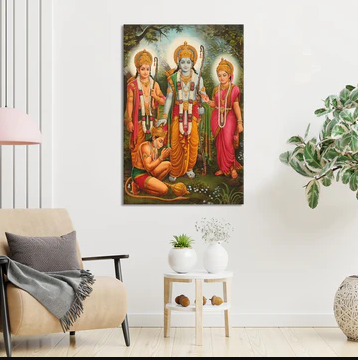

Artists have various approaches to conveying narratives, feelings, and heritage in their artwork. For Lord Ram painting specifically, several commonly used techniques aim to achieve a particular effect. Pata Chitra is among the most effective techniques employed in creating such artwork. It requires oil or other resin substances to paint on treated cloth or paper. Despite being notoriously arduous, pata chitra produces strikingly detailed and bright paintings.

Lord Rama's paintings frequently incorporate the bas-relief technique, which generates a 3D visual by carving shapes into a flat surface. This approach is commonly used to depict dynamic scenes like battles or processions. In addition to these prominent techniques, many other minor ones help enhance specific features or effects in the artwork. For instance, gilding can add luxury and refinement, while washes produce a gentle and delicate appearance.

Conclusion

The adoration and admiration for Lord Ram Painting, a prominent Hindu divinity, is reflected in numerous artworks. This piece delves into how conventional Indian paintings portraying Lord Rama convey diverse emotions, cultural beliefs, and historical significance. We have also examined the various methods utilized to produce such striking illustrations. By scrutinizing these remarkable pieces of artistry, we can gain a deeper appreciation for India's Vedic customs and pay tribute to the extraordinary tale of Lord Rama that has engrossed people's minds for ages.

13 Jun 2023

The Significance of Buddha wall paintings in Home Decor

 Gautam Buddha, the enlightened one, has been a revered figure for centuries and continues to inspire many. His teachings of peace, compassion, and mindfulness have influenced Buddhism and modern-day spirituality. One way to bring his teachings into your home is through Buddha wall paintings. These paintings add a touch of serenity and elegance to your home decor and remind you of the profound wisdom that Gautam Buddha imparted. In this blog post, we will explore the significance of Gautam Buddha paintings in home decor and how they can enrich your life in countless ways!

What is the significance of Gautam Buddha paintings in home decor?

buddha painting on wall have a significant meaning in home decor, and it goes beyond just their aesthetic value. These paintings have a spiritual essence that can transform your living space into a peaceful sanctuary. The calm and calming presence of Gautam Buddha's image can help create an atmosphere of tranquility within your home, promoting inner peace and mindfulness.

Moreover, Gautam Buddha's paintings remind us to live in the present moment by reminding us of his teachings on mindfulness. They encourage us to focus on the here and now instead of worrying about the past or future. This constant reminder helps cultivate mindfulness in our daily lives.

Additionally, Buddha wall paintings symbolize wisdom and compassion, two essential virtues crucial for leading a fulfilling life. The image of Gautam Buddha radiates these qualities, which can bring positivity and harmony to any room where they are displayed.

In summary, having Gautam Buddha paintings as part of your home decor is aesthetically pleasing and carries immense spiritual significance. It promotes inner peace, encourages mindfulness, and brings wisdom and compassion into your living space!


The benefits of having Gautam Buddha paintings in your home

Gautam Buddha's paintings are not just beautiful art pieces; they also have several benefits when it comes to home decor. One of the main benefits is that they promote peace and serenity in the home.

The image of Gautam Buddha is often associated with calmness and enlightenment. Having a painting of him in your home can help create a peaceful atmosphere and reduce stress levels. It is particularly beneficial for those who lead busy lives or struggle with anxiety.

Another benefit of having Gautam Buddha paintings in your home is that they can remind you to live mindfully. The teachings of Buddhism encourage being present at the moment and living with intention, which can be forgotten amidst the hustle and bustle of daily life.

In addition to promoting mindfulness, Gautam Buddha's paintings can add sophistication to any room. They are timeless pieces that complement any style or color scheme.

Investing in a quality Gautam Buddha painting shows appreciation for culture and history. Appreciating different cultural traditions and values is essential, making these paintings more than just decorative items but symbols representing deep meaning.

Incorporating Gautam Buddha paintings into your home decor has many benefits beyond aesthetic appeal.

How to choose the right buddha wall painting for your home

Choosing the right buddha wall painting for your home can be daunting. You can use the following advice to make an informed choice:

1. Consider the size of the painting: When choosing a picture, it is essential to consider its size relative to the space where it will be hung. A larger image may dominate a small room, while a smaller one may get lost in an ample space.

2. Decide on the color scheme: Gautam Buddha paintings come in different colors and styles, so choose one that complements your existing decor. Before making a purchase, make sure to read reviews and investigate the reputation of the vendor.

3. Choose the style of Buddhism: There are various styles of Buddhism depicted in paintings, such as Tibetan or Thai, which have unique qualities and characteristics.

4. Check out different mediums: You can find buddha canvas painting, but also painted directly onto wall surfaces for added impact.

5. Think about symbolism: Different poses and hand gestures (mudras) represent different things in Buddhist philosophy, so think about what message resonates with you most when selecting your piece.

Ultimately choosing Gautam Buddha artwork should bring peace and mindfulness into your home environment while complementing existing decor choices rather than overpowering them!

Where to find Gautam Buddha paintings


If you are looking for Buddha wall paintings to decorate your home, there are several places where you can find them. Here are some options to consider:

1) Art galleries: You can visit art galleries in your city or town specializing in Asian art or spiritual themes. These galleries often have a variety of Gautam Buddha paintings available for purchase.

2) Online retailers: Many online retailers sell Gautam Buddha paintings, including Amazon, Etsy, and Wayfair. Be sure to read reviews and check the seller's reputation before purchasing.

3) Local markets: If you live in an area with a large Buddhist population, you can find local markets or stores that sell Gautam Buddha paintings and other decor items.

4) Travel souvenirs: If you've traveled to Southeast Asia or visited Buddhist temples, you may have picked up some Gautam Buddha paintings as souvenirs. Consider incorporating these into your home decor.

No matter where you buy your Gautam Buddha painting from, make sure it fits both your personal taste and the aesthetic of your home.

Conclusion

Adding buddha painting on wall to your home decor can bring peace and tranquility to your living space. Not only are they beautiful pieces of art, but they also symbolize mindfulness and enlightenment.

When choosing the right painting for your home, consider the size and style that best fits your existing decor. Look for high-quality prints or original artwork from reputable sellers. Whether you hang a large canvas painting in your living room or a small framed print in your bedroom, incorporating Gautam Buddha art into your home decor can positively impact both the aesthetic and energy of your space. So why not add some serenity to your home today?


Renderig Lists, Conditional Rendering, Click Events, Onclick, React hook(useState()), OnChange, Updater function, Update objects in State and Update Arrays in State

  Rendering Lists App.jsx import Lists from './Lists.jsx' function App (){    return (      < Lists />   ); } export def...